


Why Christian Heritage Travel Matters Beyond the Bible Lands
Why Christian Heritage Travel Matters Beyond the Bible Lands
Christian travel naturally begins with biblical geography. Jerusalem, Galilee, Egypt, Jordan, Turkey, Greece, and Rome connect us with places named in Scripture and with the earliest centuries of the church.
But Christian history did not stop when the book of Acts ended.
The church moved into new languages and cultures. Christians built schools and monasteries, argued over doctrine, translated Scripture, preached in marketplaces and cathedrals, crossed oceans as missionaries, founded hospitals and universities, endured persecution, gained political power, lost it, reformed institutions, divided, reunited, revived, declined, and began again.
All of that happened somewhere.
That is what Christian heritage travel adds. It follows the geography of the church after the biblical period and allows later Christian history to become as physical as biblical history already feels to many travelers.
Ideas Become More Human When You Stand Where People Lived Them
Church history can become a long list of councils, kings, denominations, books, and theological disputes. Travel gives those ideas streets and rooms.
A reformer preached from a particular pulpit. A missionary society gathered in a real meeting hall. A Bible translator worked inside a particular political and linguistic world. A martyr died at an identifiable place. A university shaped generations of clergy and scholars because it existed in a particular city with particular patrons, conflicts, and institutions around it.
Once geography returns, history becomes less abstract. You begin noticing that theological movements depended on roads, printing presses, political boundaries, languages, trade networks, universities, churches, and the willingness of ordinary people to carry ideas somewhere else.
Buildings preserve much of that institutional memory. Cathedrals, parish churches, chapels, monasteries, schools, mission houses, and universities record changing worship, wealth, doctrine, architecture, political influence, destruction, rebuilding, and reform. Our guide to reading a historic church building as Christian history is built around exactly that idea.
Cemeteries can be just as useful. A famous preacher’s grave may be the reason you arrived, but the surrounding stones often reveal the congregation, families, occupations, biblical language, wars, epidemics, and migration patterns that formed the community around that person.
Museums and libraries belong in the same conversation. Manuscripts, early printed Bibles, letters, missionary records, archaeological artifacts, hymnals, art, personal objects, and correspondence can preserve Christian history far from the original setting.
Christian Heritage Should Make the Past More Complicated, Not More Comfortable
Heritage travel can easily become hero tourism. We arrive already knowing whom we admire, find the plaque attached to that person, take the picture, and leave with the story exactly as simple as it was before.
That is usually a missed opportunity.
Church history contains extraordinary courage, scholarship, sacrifice, reform, compassion, and missionary effort. It also contains political ambition, institutional abuse, cultural blindness, compromise, persecution carried out by Christians, and people whose genuine accomplishments coexisted with serious limitations.
A mature Christian approach to history does not need to hide either side.
The Reformation becomes much more interesting when it is seen not merely as a sequence of correct ideas defeating incorrect ideas, but as theology unfolding through monarchies, universities, city governments, printers, mobs, sermons, property laws, international alliances, and ordinary congregations whose worship suddenly changed.
Mission history is similar. It includes sacrifice, Bible translation, education, medicine, church planting, and remarkable cross-cultural relationships. It also intersects with empire, colonial power, cultural misunderstanding, and the long process by which indigenous Christians became leaders rather than simply recipients of Western mission.
Historic places force those layers back together.
The Church Has Always Had a Geography
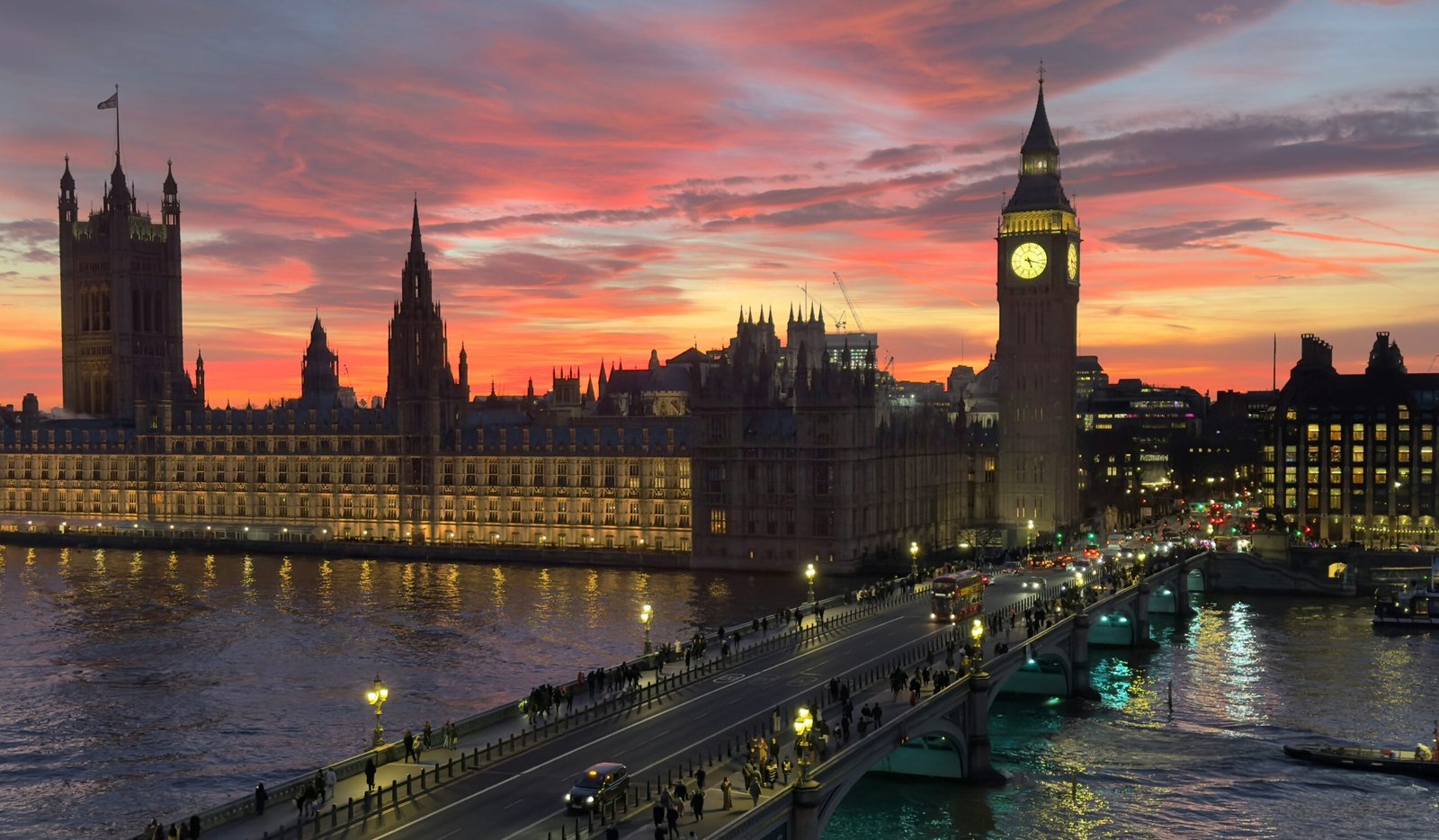
London is a good example because so many layers sit close together. Medieval Christianity, Reformation conflict, Puritan and Nonconformist history, evangelical revival, missionary movements, Bible publishing, scientific institutions, cathedrals, cemeteries, and museums containing material from the biblical world can all be encountered within the same city.
That is why London Christian Tours can move naturally between church history, biblical archaeology, science, and the history of ideas. Those subjects were never as isolated from one another in real life as modern categories sometimes make them appear.
Travel also builds historical humility. A church that once dominated a neighborhood may now be almost empty. A movement dismissed in its own day may later shape an entire denomination. A controversial translation can become familiar Scripture. Institutions rise, fracture, merge, decline, and sometimes revive.
History makes the present feel less inevitable.
That may be the best reason to travel through Christian history at all. It reminds us that the church is both universal and stubbornly local. Christians worship in particular languages, build in particular neighborhoods, respond to particular governments, and pass faith from one generation to the next through real communities.
The Bible lands give us the geography of Scripture. Christian heritage travel lets us keep following the story after the apostles leave the page.
Continue exploring: visit our Christian Heritage & Church History resources, browse London Christian Tours, or use the Explore directory to discover historic destinations.

