


How to Plan a Museum Day Without Exhausting Yourself
How to Plan a Museum Day Without Exhausting Yourself
The easiest way to ruin a great museum is to decide you are going to see all of it.
Large museums invite that mistake. You have paid for the trip, you may only be in the city once, and the floor plan makes every gallery look equally available. So you start strong, read almost everything, photograph too much, and somewhere around hour three the labels begin turning into gray rectangles on the wall.
Museum fatigue is not simply sore feet. Attention disappears first.
A better day begins by accepting that the building contains more than you can meaningfully absorb. The goal is not to cover the museum. It is to leave with a few objects, ideas, and stories you actually understand.

Choose What Kind of Day You Want Before You Enter
If the museum is one stop in a larger itinerary, two focused hours may be enough. If it is the main event, choose two or three themes and give yourself a real break between them.
We usually find themes more useful than floor plans. A map tells you where rooms are. A theme tells you why you are entering them.
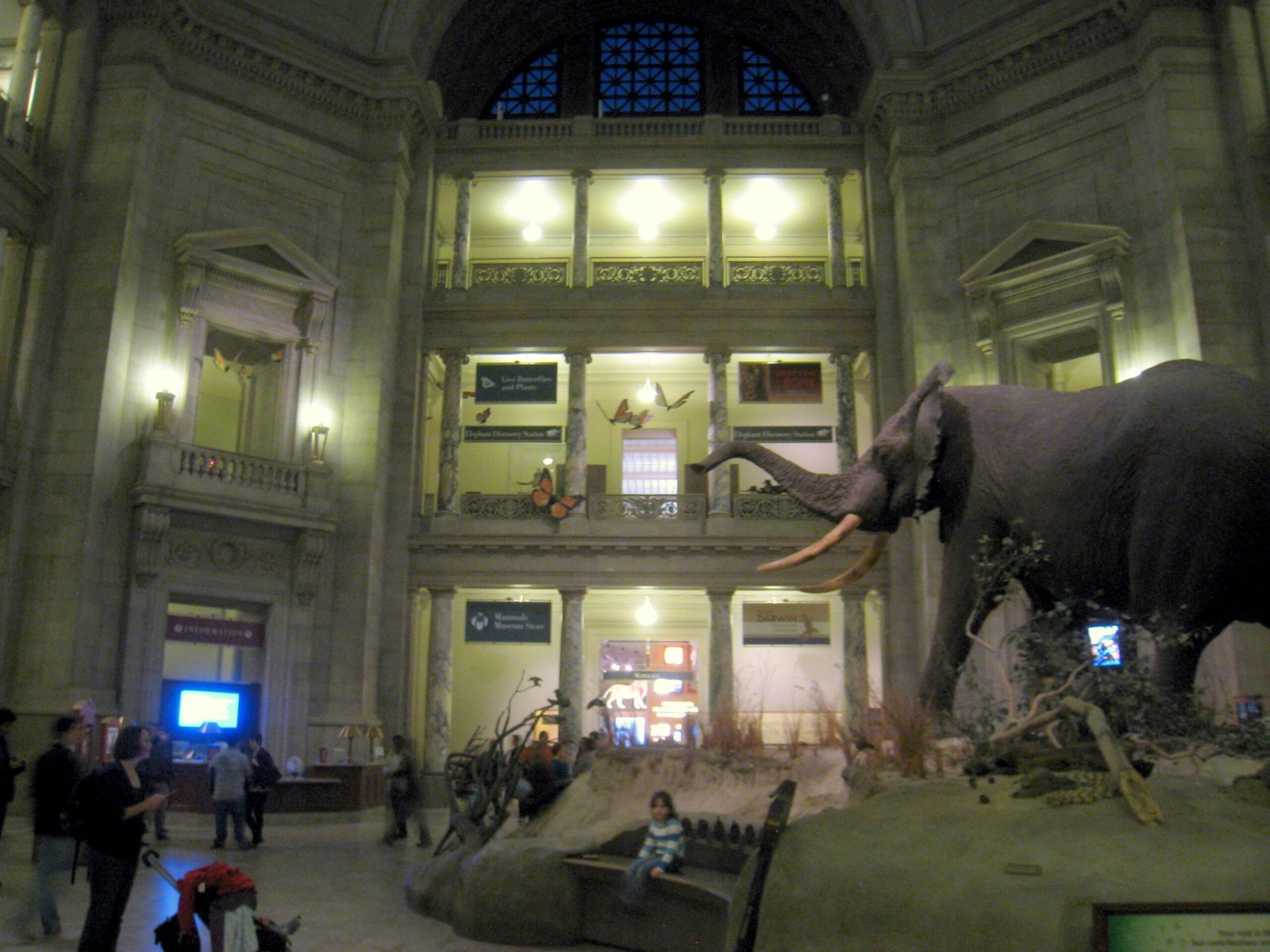
At the British Museum, that might mean Egypt and Assyria, or the ancient Near East and the Greco-Roman world. At a natural-history museum, you may decide that fossils and geology matter more today than mammals, insects, gems, astronomy, and human origins.
Then make a short must-see list. Five to ten objects or galleries is plenty. Do the most important material early, while your attention is still sharp. Once those priorities are covered, everything else becomes discovery instead of obligation.
This also gives the museum room to surprise you. Some of the objects we remember best were never on our list.

Pace Attention, Not Just Walking
A bench is useful, but after several hours you may need an actual break. Get water. Eat something. Sit somewhere that feels separate from the galleries. Look through a few photographs or talk about what stood out.
Twenty minutes can give you another productive hour or two. Pushing straight through often produces more time in the museum but less learning.
The same principle applies to labels. You do not need to read all of them. Read the introductory panels that explain the gallery, then slow down for the objects you actually care about. One artifact understood in its date, provenance, function, and historical context is more valuable than twenty labels skimmed because they happened to be on the wall.
Photograph selectively as well. If an object matters enough that you may research, teach, write about, or remember it later, photograph the label and museum number along with the object. Our guide to photographing and documenting museum artifacts gives a more complete system for that.
If you are traveling with other people, remember that not everyone has to have exactly the same museum day. One person may care about inscriptions while another gravitates toward jewelry, military history, paintings, minerals, or animals. In a small group, a short period of independent exploration followed by a clear meeting point can be much better than dragging everyone through the same gallery at the same speed.
Know When the Useful Part of the Visit Is Over
There is a point when staying longer stops improving the day.
If you are taking photographs without really looking at the objects, walking through rooms you cannot remember, or feeling irritated every time the map reveals another staircase, you may already be done.
Leaving while you still want to come back is often better than squeezing every possible minute out of the ticket.
A museum also becomes more valuable when you connect it with the destination outside the building. Egyptian artifacts make more sense after standing in the Nile Valley. Roman material becomes more concrete after walking a Roman street. Fossils gain scale after seeing the rock units that contain them.
The object gives detail. The landscape gives context.
Before you leave, ask yourself three things: What will you still remember a month from now? What question did this visit make you want to research? What would you spend more time with if you came back?
If you have good answers to those questions, you probably had a better museum day than the person who walked through twice as many rooms.
Continue exploring: browse our Travel Resources, read the British Museum biblical archaeology guide, or explore our growing destination directory.

