


Articles & Field Notes
This is the editorial side of Global Christian Tours: destination essays, museum interpretation, archaeological background, creation and natural-history topics, practical travel insights, and field notes developed from the places we explore.
Biblical Archaeology
-
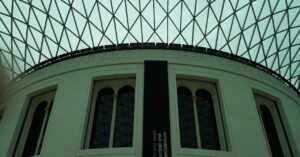
The Lachish Reliefs: Assyria, Judah, and Sennacherib at the British Museum
The Lachish reliefs preserve Assyria’s monumental version of a campaign against Judah. Here is what they show, what they do not show, and why they matter
-

Petra, Edom, and the Nabataeans: What Christian Travelers Should Know
Petra sits within a region deeply connected with Edom, the Nabataeans, ancient trade, and the biblical world. Here is the historical context Christian travelers should know.
-
What Biblical Archaeology Can—and Cannot—Tell Us
Biblical archaeology can illuminate people, places, cultures, chronology, inscriptions, and material history—but it also has limits. Here is how to use the evidence well.
-

How to Research an Archaeological or Biblical Destination Before You Go
A little research before a trip can transform what you notice on the ground. Learn how to use maps, site plans, museum databases, chronology, primary texts,
-
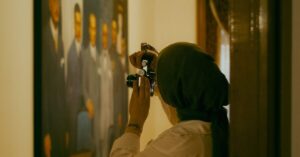
How to Photograph and Document Museum Artifacts for Later Research
A field-tested system for photographing museum artifacts, labels, inventory numbers, gallery context, and provenance so your images remain useful long after the visit.
-

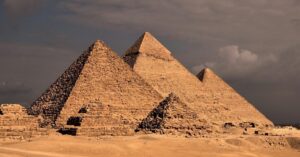
Giza Beyond the Pyramids: Understanding Ancient Egypt in Biblical Context
The Giza Plateau is more than three famous pyramids. Learn what its monuments reveal about kingship, religion, labor, society, and the ancient Egyptian world surrounding the
-
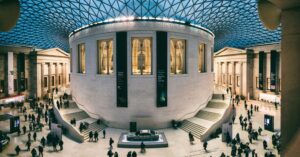
How to Explore the British Museum for Biblical Archaeology
A practical guide to using the British Museum to understand the ancient Near East, Egypt, empires, artifacts, and historical world surrounding the Bible.
Creation & Natural Science
-

Fossils in Museums: How to Separate Observation From Interpretation
Fossils are real evidence; the historical story built around them is interpretation. Learn how to examine preservation, anatomy, stratigraphy, ecology, and museum claims carefully.
-
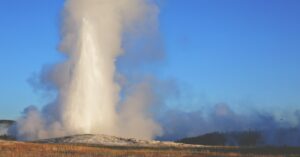
Old Faithful and Yellowstone: What Geysers Reveal About an Active Earth
Old Faithful is more than a predictable eruption. Explore Yellowstone’s geothermal system, groundwater, heat, volcanic history, and what Christians can learn by observing an active earth.
-
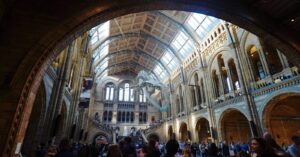
How to Visit a Natural History Museum From a Biblical Creation Perspective
A natural history museum can become a powerful place to study fossils, geology, biodiversity, design, and competing interpretations of origins. Here is a practical creation-focused approach.
-
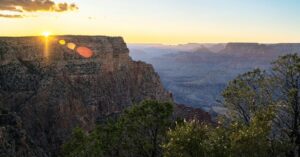
How to Read the Grand Canyon’s Rock Layers as a Christian Visitor
The Grand Canyon exposes an extraordinary sequence of rock layers. Learn what to observe in the cliffs, how geologists organize the strata, and how Christian visitors
Travel Resources
-
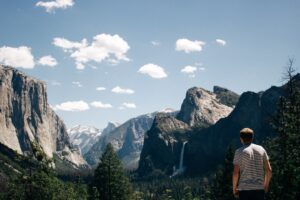
Guided Christian Tour or Self-Guided Travel? How to Choose
A guided Christian tour and independent travel solve different problems. Compare interpretation, flexibility, logistics, cost, access, group dynamics, and when each approach makes sense.
-
How to Research an Archaeological or Biblical Destination Before You Go
A little research before a trip can transform what you notice on the ground. Learn how to use maps, site plans, museum databases, chronology, primary texts,
-
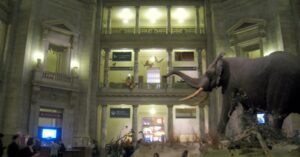
How to Plan a Museum Day Without Exhausting Yourself
Large museums can overwhelm even experienced travelers. Learn how to choose priorities, pace your visit, document what matters, and leave with more understanding instead of museum
-
How to Visit a Natural History Museum From a Biblical Creation Perspective
A natural history museum can become a powerful place to study fossils, geology, biodiversity, design, and competing interpretations of origins. Here is a practical creation-focused approach.
-
How to Photograph and Document Museum Artifacts for Later Research
A field-tested system for photographing museum artifacts, labels, inventory numbers, gallery context, and provenance so your images remain useful long after the visit.
Destinations & Christian Heritage
-
Old Faithful and Yellowstone: What Geysers Reveal About an Active Earth
Old Faithful is more than a predictable eruption. Explore Yellowstone’s geothermal system, groundwater, heat, volcanic history, and what Christians can learn by observing an active earth.
-
Petra, Edom, and the Nabataeans: What Christian Travelers Should Know
Petra sits within a region deeply connected with Edom, the Nabataeans, ancient trade, and the biblical world. Here is the historical context Christian travelers should know.
-
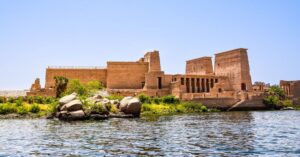
Philae Temple: What Christian Travelers Should Notice
Philae preserves Ptolemaic and Roman Egyptian religion, the last dated hieroglyphic inscription, Christian reuse, Coptic traces, and one of archaeology’s great UNESCO rescue projects. Learn what
-

Tower of London: What Christian Travelers Should Notice
The Tower of London preserves Christian worship, Tudor monarchy, Reformation conflict, imprisonment, execution, burial, conscience, and national memory. Learn what Christian travelers should notice.
-
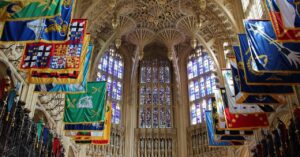
Westminster Abbey: What Christian Travelers Should Notice
Westminster Abbey preserves layers of Christian worship, monarchy, Reformation history, national memory, literature, science, and architecture. Learn what to notice when you visit.
-
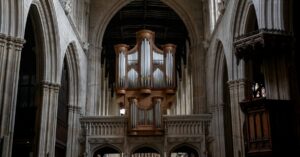
How to Read a Historic Church Building as Christian History
Historic churches are documents in stone. Learn how architecture, memorials, liturgy, rebuilding, art, inscriptions, and location can reveal layers of Christian history.
-
How to Read the Grand Canyon’s Rock Layers as a Christian Visitor
The Grand Canyon exposes an extraordinary sequence of rock layers. Learn what to observe in the cliffs, how geologists organize the strata, and how Christian visitors
-
Giza Beyond the Pyramids: Understanding Ancient Egypt in Biblical Context
The Giza Plateau is more than three famous pyramids. Learn what its monuments reveal about kingship, religion, labor, society, and the ancient Egyptian world surrounding the