


What Biblical Archaeology Can—and Cannot—Tell Us
What Biblical Archaeology Can—and Cannot—Tell Us
Few phrases in biblical archaeology have done more damage to careful thinking than “this proves the Bible.” The opposite claim, that some missing artifact or disputed date “disproves the Bible,” is usually just as clumsy. Archaeology is more interesting than either slogan.
What archaeology gives us is material evidence. Cities, walls, pottery, inscriptions, burials, roads, temples, houses, food remains, coins, seals, weapons, destruction layers, and landscapes altered by people. Sometimes those remains intersect directly with a person or event named in Scripture. More often they do something quieter but just as valuable. They reconstruct the world in which biblical history took place.
That distinction matters. A relief of an Assyrian army does not need to mention a biblical verse to teach us something important about Assyrian warfare. An Egyptian administrative text can illuminate the kind of bureaucracy that existed along the Nile without preserving the name of Joseph. Archaeology is often at its strongest when it gives depth, texture, and independent historical context to people and places that can otherwise remain flat on the page.

Archaeology works with what survived
The first limitation is built into the evidence itself. Archaeologists study what people left behind and what happened to survive. That sounds obvious until we begin asking archaeology to answer questions that would leave little or no physical trace.
A fortified city may preserve walls, gate systems, imported pottery, burned buildings, and weapons. From those remains we may be able to say when the city was occupied, whether it traded with distant regions, and perhaps when it suffered destruction. But archaeology is much less capable of recovering a private conversation, the motive of a king, the beliefs of an ordinary family, or the exact sequence of decisions that produced an event.
Even major events can be archaeologically elusive. Camps were temporary. Wood, leather, cloth, and food decay. Later builders reuse earlier stone. Cities are robbed, eroded, flooded, bulldozed, or buried beneath modern neighborhoods. Most ancient sites have never been fully excavated, and even famous excavations usually expose only part of what once existed.
This is why “absence of evidence” needs to be handled carefully. Sometimes absence really is significant. If a proposal requires an enormous, permanent, heavily occupied city in a place that has been excavated repeatedly, the lack of expected remains may become meaningful. But that principle cannot simply be transferred to every person, migration, battle, campsite, or short-lived event.

Chronology and context do most of the heavy lifting
An artifact is not important merely because it came from Israel, Egypt, Jordan, or Iraq. Archaeological meaning depends on context. Where was it found? In what layer? Beside what other material? Was it discovered in a controlled excavation or purchased on the antiquities market? How was it dated?
Chronology is especially important because archaeological arguments are built on sequences. Pottery changes through time. Buildings are constructed over earlier buildings. Inscriptions can be connected with known rulers. Scientific dating methods may provide another line of evidence. Historical synchronisms link one region with another. When those pieces converge, a date can become fairly secure. When they do not, the disagreement may affect an entire historical reconstruction.
Inscriptions deserve particular attention because they sometimes connect material evidence with named people, kingdoms, and events. They are also easy to misuse. Ancient kings were not neutral reporters. They celebrated victories, emphasized legitimacy, omitted embarrassments, and wrote for audiences. The Lachish reliefs, for example, are extraordinarily valuable evidence for Sennacherib’s campaign in Judah, but they are also Assyrian royal propaganda. Both statements can be true at the same time.
This is one reason museums such as the British Museum can be so useful for biblical study. A single gallery may bring together inscriptions, palace reliefs, weapons, seals, and administrative objects from the same empire. None of them has to “prove” a passage in order to make the historical world of that passage more concrete.
The best questions are usually smaller
The Bible and archaeology are different kinds of evidence. Scripture is a collection of literary texts written in different genres. Archaeology studies surviving material remains. They overlap, but they do not preserve the same kinds of information, and neither should be forced to act like the other.
When an archaeological claim sounds dramatic, we find it more useful to break it apart. What exactly was discovered? Where was it found? How was it dated? What does the inscription actually say? Which part of the interpretation is widely accepted, and which part remains debated? Does the evidence identify a person or event directly, or does it provide a plausible historical context?
Those questions are less exciting than a headline announcing that archaeology has proved or disproved something once and for all. They are also far more useful.
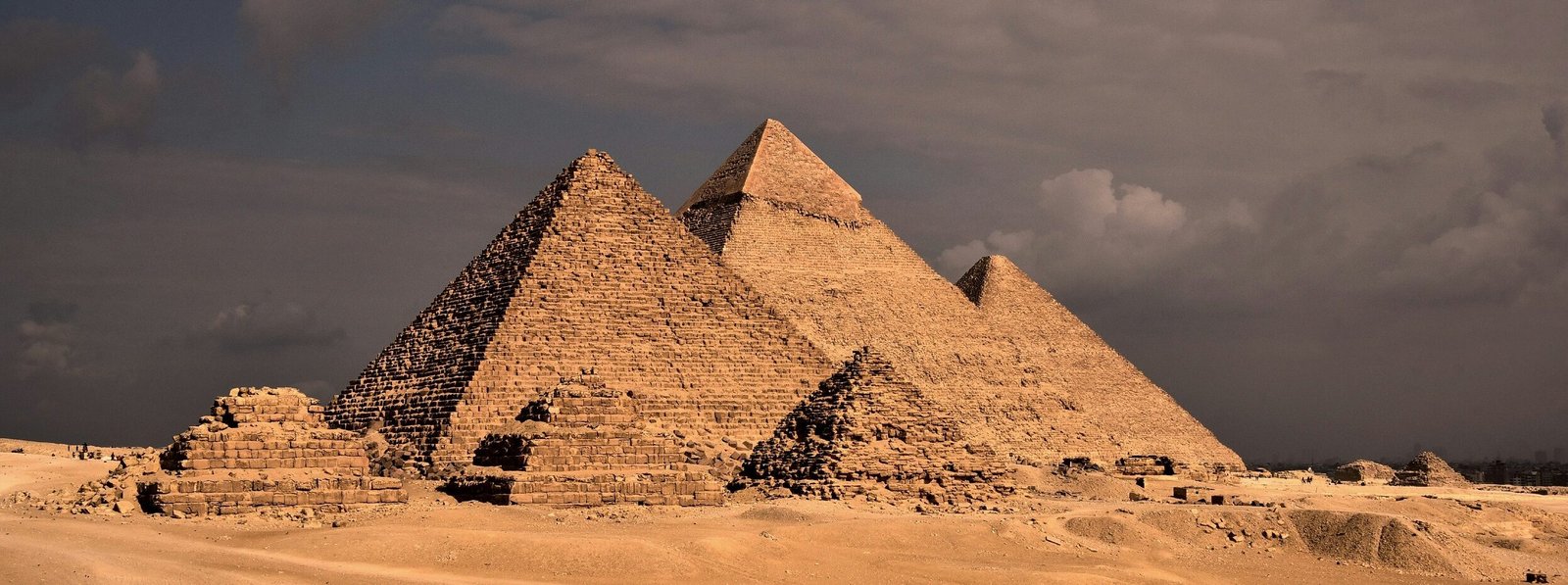
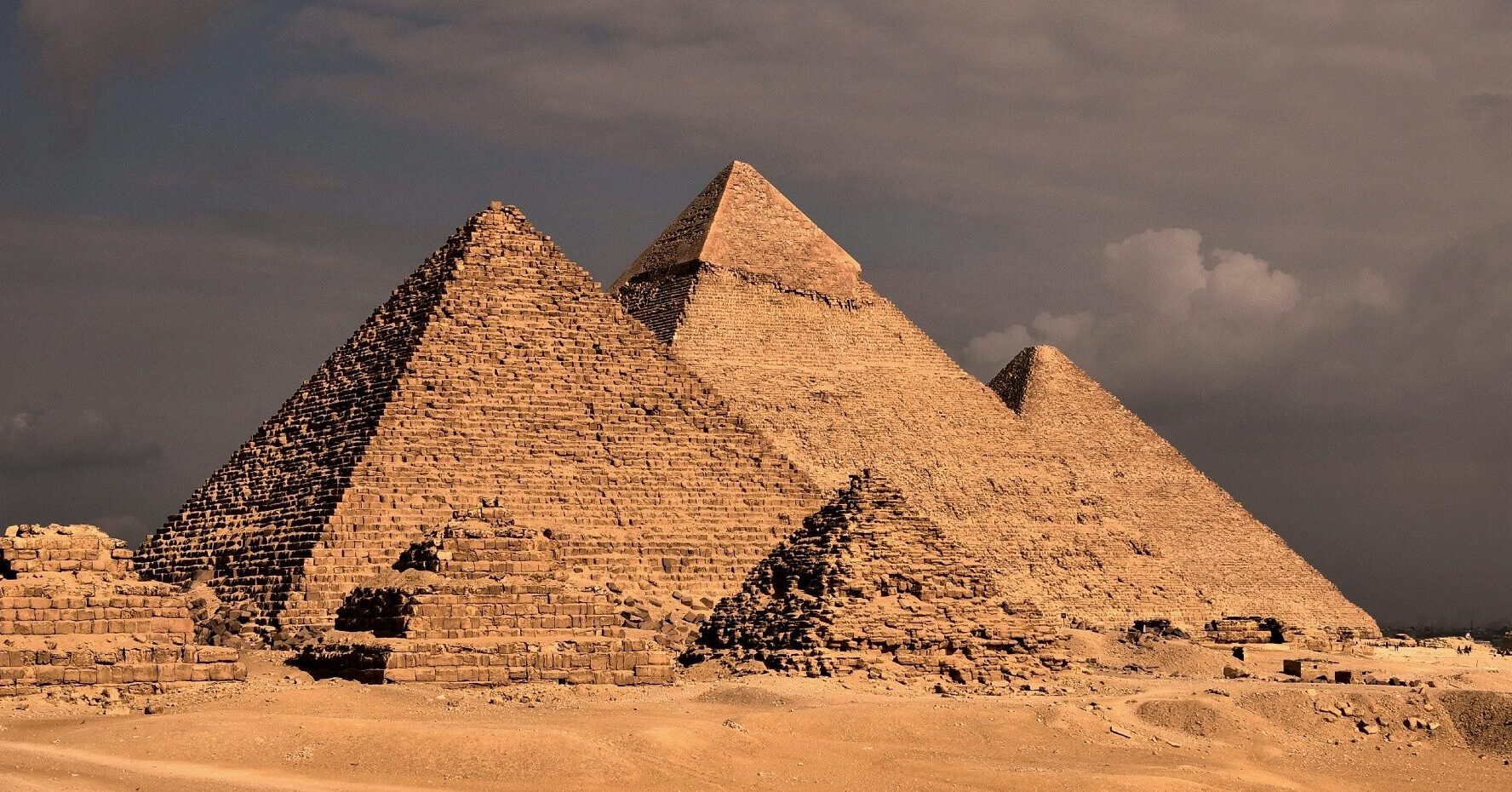
For Christian travelers, this approach makes visiting archaeological sites and museums more rewarding, not less. Standing at Giza, walking through Petra, or studying Assyrian reliefs in London gives geography and scale to civilizations we often meet first in books. The evidence becomes physical. So do its limits.
That is where good historical work begins. Look closely at what is actually there. Ask what it can reasonably tell us. Then resist the urge to make it say more than it does.
Continue exploring: visit the Biblical Archaeology resource hub, read our guide to exploring the British Museum for biblical archaeology, or see how to research a biblical or archaeological destination before you go.

