



Explore the Material World of the Bible
Biblical archaeology helps move the ancient world from abstraction into something tangible. Ancient cities have locations, and sites such as Petra Archaeological Park preserve entire landscapes of material history. Empires leave inscriptions. People use pottery, coins, tools, seals, buildings, roads, and burial places. Those remains can help us reconstruct the historical and cultural setting in which the Bible was written.
This section brings together archaeology, historical geography, chronology, museums, and travel so that the places and objects connected with Scripture can be explored in context.

How Archaeology Adds Context
Artifacts & Inscriptions
Texts, seals, stelae, coins, pottery, monumental inscriptions, and everyday objects can preserve names, languages, customs, political events, and glimpses of ordinary life.
Historical Geography
Mountains, rivers, roads, borders, trade routes, cities, and regional geography help explain why events unfolded where they did and how ancient people moved through the land.
Ancient Cultures
Egyptians, Canaanites, Assyrians, Babylonians, Greeks, Romans, and other peoples provide the political, religious, linguistic, and cultural setting surrounding the biblical text.
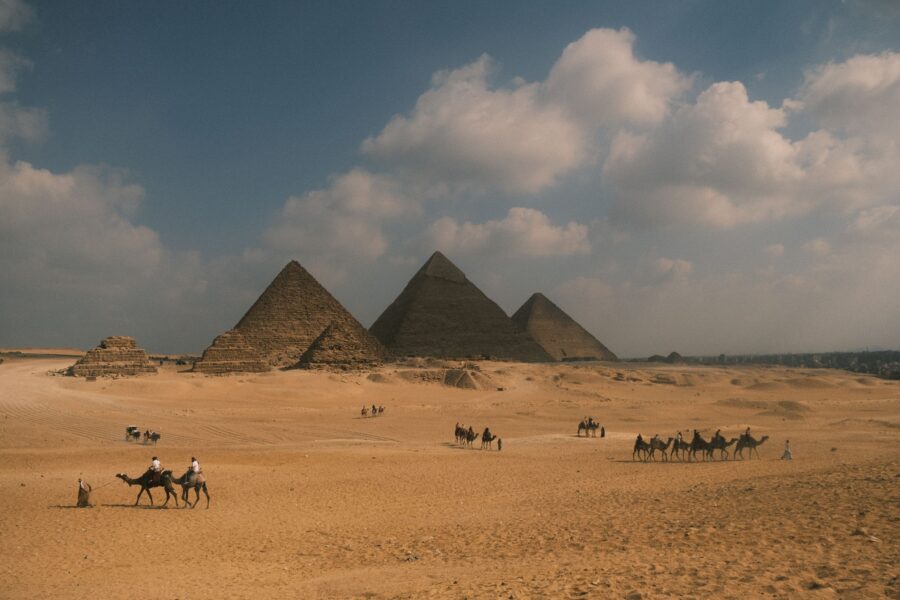
Egypt & the Biblical World
Egypt offers an unusually rich setting for biblical archaeology because sites such as the Giza Pyramid Complex, along with its inscriptions, museums, and landscapes, preserve an enormous amount of material from the ancient world.
Our Egypt programs let travelers encounter that evidence in the places where it belongs and connect individual remains with the wider historical setting.
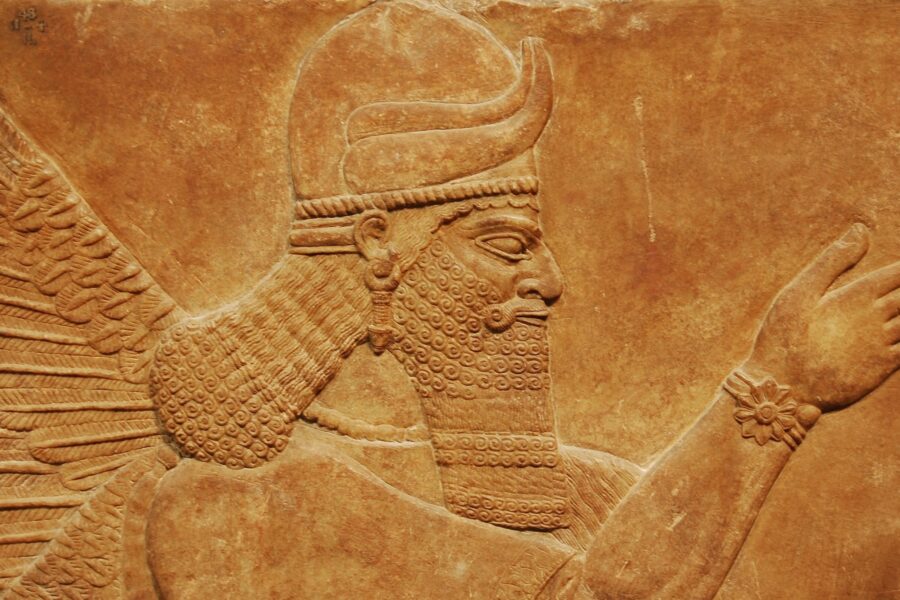
Museums as Archaeology Classrooms
Major museum collections such as the British Museum allow travelers to compare objects from Egypt, Mesopotamia, the Levant, Greece, Rome, and other regions without crossing multiple borders.
With the right context, individual artifacts become part of a much larger historical picture instead of isolated objects behind glass.
Featured Biblical Archaeology Articles
-
The Lachish Reliefs: Assyria, Judah, and Sennacherib at the British Museum
The Lachish reliefs preserve Assyria’s monumental version of a campaign against Judah. Here is what they show, what they do not show, and why they matter
-

Petra, Edom, and the Nabataeans: What Christian Travelers Should Know
Petra sits within a region deeply connected with Edom, the Nabataeans, ancient trade, and the biblical world. Here is the historical context Christian travelers should know.
-
What Biblical Archaeology Can—and Cannot—Tell Us
Biblical archaeology can illuminate people, places, cultures, chronology, inscriptions, and material history—but it also has limits. Here is how to use the evidence well.
-

How to Research an Archaeological or Biblical Destination Before You Go
A little research before a trip can transform what you notice on the ground. Learn how to use maps, site plans, museum databases, chronology, primary texts,
-

How to Photograph and Document Museum Artifacts for Later Research
A field-tested system for photographing museum artifacts, labels, inventory numbers, gallery context, and provenance so your images remain useful long after the visit.
-

Giza Beyond the Pyramids: Understanding Ancient Egypt in Biblical Context
The Giza Plateau is more than three famous pyramids. Learn what its monuments reveal about kingship, religion, labor, society, and the ancient Egyptian world surrounding the
-

How to Explore the British Museum for Biblical Archaeology
A practical guide to using the British Museum to understand the ancient Near East, Egypt, empires, artifacts, and historical world surrounding the Bible.
Put the Ancient World Back in Context
Archaeology does not replace the text. It helps us understand the world in which the text was written, read, and lived.